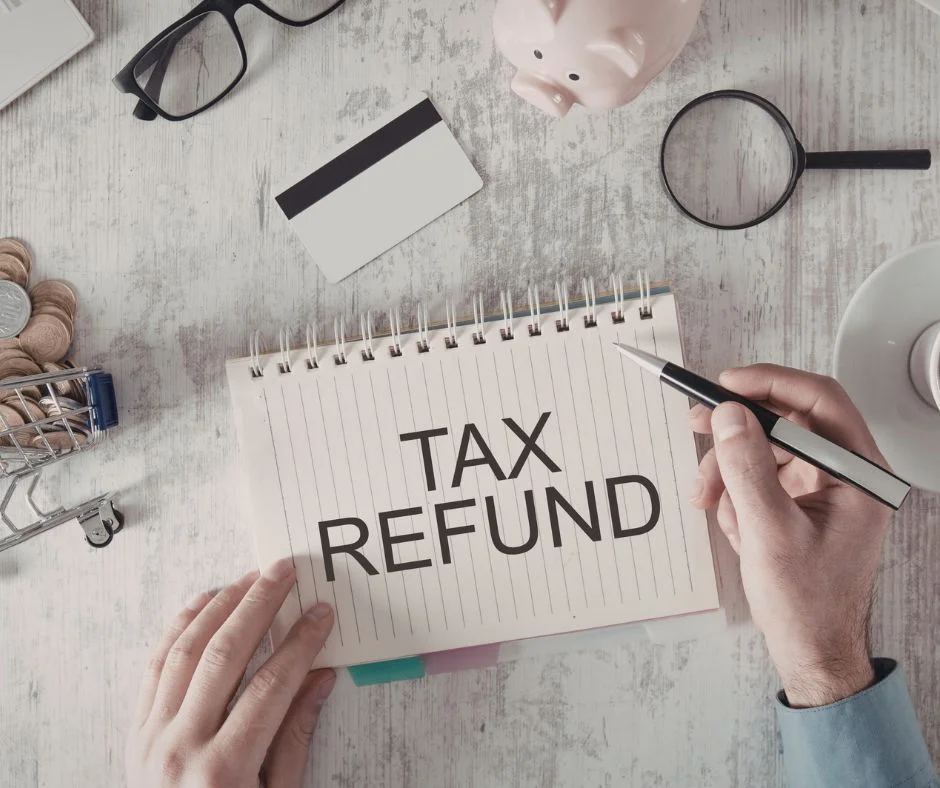
You just got your tax refund deposited—maybe $3,000, maybe more—and you’re staring at your bank account wondering if this is finally the year you stop renting and start building equity. You’ve watched Bucks County home prices climb year after year, and that refund feels like it could be the push you need to make homeownership happen.
But then the doubts creep in. Is a few thousand dollars really enough? With median home prices in Bucks County now exceeding $500,000, your tax refund seems like a drop in the bucket. You’ve probably heard you need 20% down—that’s over $100,000. So you think about putting the money toward a vacation instead, or paying down credit cards, or just letting it sit in savings “until you’re ready.”
Here’s what most first-time buyers in Newtown, Doylestown, and throughout Bucks County don’t realize: your tax refund can absolutely be the catalyst for homeownership—if you know how to use it strategically. The idea that you need $100,000 saved to buy a home is one of the most persistent myths keeping renters stuck in place.
In this guide, we’ll break down exactly how your tax refund fits into a realistic home buying strategy, which Pennsylvania assistance programs can multiply your money, and the specific steps to take this tax season to position yourself for homeownership in Bucks County. As a team that’s helped over 500 families navigate this exact journey—with 590 total transactions and a 98% list-to-sale price ratio—we’ve seen firsthand how strategic use of a tax refund can turn the dream of homeownership into a reality.
What You’ll Learn
- The Real Down Payment Requirements in Pennsylvania
- Why Your Tax Refund Is More Powerful Than You Think
- Pennsylvania Programs That Multiply Your Money
- Strategic Ways to Use Your Tax Refund
- Your Tax Season Home Buying Timeline
- Why Bucks County Families Trust The DiCicco Team
- Frequently Asked Questions
The Down Payment Myth Keeping You Stuck
Walk into any conversation about buying a home, and someone will inevitably mention the “20% down payment rule.” With Bucks County’s median home price hovering around $500,000-$516,000 as of late 2025, that translates to roughly $100,000-$103,000 you’d supposedly need saved before even thinking about homeownership.
This misconception creates a paralyzing effect. First-time buyers in Warrington, Yardley, and throughout the region watch their rent checks disappear each month while they wait to accumulate an impossible sum. Meanwhile, home prices continue rising—Bucks County has seen 8-15% year-over-year appreciation in recent years—making the goalpost seem to move further away with each passing season.
The reality? Most first-time buyers in Pennsylvania don’t put anywhere near 20% down. FHA loans require just 3.5% down. Conventional loans can go as low as 3%. VA loans for veterans require zero down payment. And Pennsylvania offers some of the most generous down payment assistance programs in the country.
Your $3,000+ tax refund isn’t a drop in the bucket—it could be a significant portion of what you actually need.
Why the 20% Down Payment Myth Persists
Outdated Conventional Wisdom
The 20% rule originated decades ago when mortgage insurance wasn’t as accessible and lending standards were different. While putting 20% down does eliminate private mortgage insurance (PMI), this represents an ideal scenario, not a requirement. In our nearly 20 years serving Bucks County, we’ve helped countless families purchase homes with far less—and build significant equity along the way.
Lack of Awareness About Assistance Programs
Pennsylvania offers exceptional down payment assistance through the Pennsylvania Housing Finance Agency (PHFA), but many first-time buyers don’t know these programs exist. Programs like the Keystone Forgivable in Ten Years (K-FIT) loan can provide up to 5% of your purchase price—potentially $25,000 or more on a Bucks County home—as assistance that’s forgiven over time.
Fear of the Unknown
Buying a home involves more upfront costs than just the down payment—there’s earnest money, inspection fees, appraisal costs, and closing costs to consider. Without understanding the full picture, many buyers overestimate what they need and underestimate what they can actually afford. Having helped 590 families through this process, we know that education and guidance make all the difference.
Competitive Market Pressure
Bucks County’s housing market remains competitive, with inventory at approximately 1.6 months and homes selling for 101% of list price on average. This creates pressure that makes buyers feel they need more resources than they actually do. The truth is, a well-prepared buyer with proper financing can compete effectively even without a massive down payment.
How Your Tax Refund Fits Into a Real Down Payment Strategy
The average tax refund for 2025 is approximately $3,000-$3,150. Let’s put that in perspective with actual Bucks County numbers:
For a $400,000 home (entry-level in many Bucks County neighborhoods): A 3% down payment conventional loan requires $12,000 down. An FHA loan at 3.5% requires $14,000. Your tax refund represents 21-25% of your down payment need—before any assistance programs.
For a $500,000 home (near the county median): A 3% down payment is $15,000. Your tax refund covers 20% of that requirement. Combined with K-FIT assistance of up to 5% ($25,000), you could potentially have your entire down payment covered.
Pennsylvania Programs That Multiply Your Tax Refund
Here’s where your tax refund becomes truly powerful—as leverage to access Pennsylvania’s generous assistance programs.
Keystone Forgivable in Ten Years (K-FIT)
This program provides up to 5% of your purchase price or appraised value (whichever is lower) as down payment and closing cost assistance. The best part? It’s forgiven at 10% per year—stay in your home for 10 years, and you owe nothing back. For a $500,000 home, that’s $25,000 in assistance. Requirements include a minimum 660 credit score and meeting income limits for your county.
Keystone Advantage Assistance Loan
This program provides up to 4% of your purchase price or $6,000 (whichever is less) as a zero-interest second mortgage for down payment and closing costs, repaid over 10 years. This can be combined with the PHFA Grant for additional savings.
HOMEstead Program
Eligible buyers can receive up to $10,000 as a no-interest second mortgage. This loan is forgiven at 20% per year over five years—meaning if you stay in your home for five years, you owe nothing. This program has specific county availability, so check with a PHFA-approved lender for eligibility in Bucks County.
PHFA Grant
A $500 grant for borrowers using the HFA Preferred loan. While smaller than other programs, this grant requires no repayment and can be combined with Keystone Advantage for additional assistance.
Five Strategic Ways to Use Your Tax Refund
1. Meet the Minimum Borrower Contribution
Many loan programs require borrowers to contribute at least $1,000-$1,500 from their own funds. Your tax refund easily covers this requirement, unlocking access to gift funds and assistance programs for the remainder.
2. Cover Earnest Money Deposits
In Bucks County’s competitive market, earnest money deposits typically range from $2,000-$10,000. This good-faith deposit shows sellers you’re serious and becomes part of your down payment at closing. Having your tax refund available makes you a stronger, more credible buyer.
3. Pay for Pre-Purchase Costs
Before closing, you’ll need funds for home inspections ($400-$600), appraisals ($500-$700), and various application fees. These costs come out of pocket before you even reach the closing table. Your tax refund ensures these necessary expenses don’t derail your purchase.
4. Build Your Reserves
Lenders want to see that you have reserves—typically 2-3 months of mortgage payments—after closing. Your tax refund can serve as these reserves, strengthening your loan application and demonstrating financial stability.
5. Improve Your Credit Position
If your credit score is just below 660 (the threshold for many assistance programs), strategically using your refund to pay down credit card balances can boost your score significantly. A 20-point improvement could unlock thousands in additional assistance.
Your Tax Season Home Buying Timeline
January-February: File your taxes early to get your refund sooner. Connect with a real estate agent and mortgage lender to understand your buying power and options.
February-March: Complete homebuyer education (required for most PHFA programs—and borrowers with credit scores below 680 must complete in-person counseling). Get pre-approved and deposit your tax refund into your savings account.
March-April: Begin your home search with pre-approval in hand. In Bucks County’s competitive spring market, being prepared is essential.
April-June: Make offers, navigate negotiations, and close on your new Bucks County home. With proper preparation, you could be in your new home by early summer.
Why Bucks County Families Choose The DiCicco Team
Navigating down payment assistance programs, competitive markets, and the home buying process requires experience and local expertise. At The DiCicco Team, we bring nearly 20 years of real estate knowledge to every transaction—including 18+ years in investment properties and renovations that give Anthony DiCicco unique insight into property values and construction quality.
With 590 successful transactions, 101 sales in the last 12 months alone, and a 98% list-to-sale price ratio, we understand what it takes to help first-time buyers succeed. Our 5-star ratings on both Google (110+ reviews) and Zillow (95 reviews) reflect our commitment to client success.
We work closely with PHFA-approved lenders who specialize in down payment assistance programs, ensuring you have access to every dollar of help available. Our deep knowledge of Bucks County—from Council Rock and Central Bucks school districts to neighborhoods in Newtown, Doylestown, Yardley, and throughout the region—means we can help you find not just any home, but the right home for your family and budget.
Frequently Asked Questions
Is my tax refund really enough to help me buy a house?
Yes—especially when combined with Pennsylvania’s assistance programs. Your $3,000+ refund can cover minimum borrower contributions, earnest money, and pre-purchase costs. Combined with K-FIT or Keystone Advantage assistance, you may have little to no additional funds needed for your down payment.
What credit score do I need for down payment assistance in Pennsylvania?
Most PHFA programs require a minimum 660 credit score. However, different loan types have different requirements. FHA loans are available with lower scores. If you’re below 680, you’ll need to complete in-person homebuyer education.
Can I use down payment assistance if I’m not a first-time buyer?
Some programs, like the HFA Preferred loan and Keystone Government Loan, don’t require you to be a first-time buyer. Additionally, Pennsylvania defines “first-time buyer” as someone who hasn’t owned a home in the past three years—so even previous homeowners may qualify.
How long does it take to buy a house in Bucks County?
From pre-approval to closing, most transactions take 45-60 days. However, getting pre-approved and completing homebuyer education should be done before you start actively searching. Well-priced homes in Bucks County sell in 7-12 days on average, so being prepared is essential.
What are closing costs in Bucks County?
Closing costs typically range from 2-5% of the purchase price. For a $500,000 home, expect $10,000-$25,000 in closing costs, which include lender fees, title insurance, transfer taxes (2% in Pennsylvania, typically split between buyer and seller), and prepaid items. Many assistance programs can be applied toward closing costs as well as down payments.
Should I wait until I have more saved?
In most cases, waiting costs you money. Bucks County home prices have appreciated 8-15% year-over-year in recent years. Waiting another year to save an additional $10,000 could mean paying $40,000-$50,000 more for the same home. Plus, you’re building equity from day one when you own instead of rent.
Can I buy in a good school district with a small down payment?
Absolutely. Down payment size doesn’t restrict which neighborhoods you can buy in. Whether you’re looking in Council Rock (ranked #40 in PA), Central Bucks (#46), New Hope-Solebury (#15), or Pennsbury (#71), your loan qualification is based on income, credit, and debt ratios—not just your down payment amount.
What’s the minimum income needed to buy a home in Bucks County?
There’s no set minimum—it depends on the home price, your debts, and current interest rates. Generally, lenders want your housing payment below 28-30% of gross monthly income. A PHFA-approved lender can determine exactly how much house you can afford.
Ready to Turn Your Tax Refund Into Homeownership?
Here’s what we covered:
- The 20% down payment “rule” is a myth—most buyers put down 3-5%
- Pennsylvania offers exceptional assistance: K-FIT (5% forgivable), Keystone Advantage (up to $6,000), and HOMEstead (up to $10,000)
- Your tax refund is more powerful as a strategic tool than a savings account deposit
- Early preparation—this tax season—positions you for homeownership this year
Contact The DiCicco Team for a free buyer consultation. We’ll discuss your goals, review your financial situation, connect you with lenders who specialize in down payment assistance programs, and create a personalized plan to get you into your Bucks County home.
Call (215) 385-2006 or visit us to schedule your consultation. We serve all of Bucks County, Montgomery County, and Philadelphia.
With 590 successful transactions, a 5-star rating on Google and Zillow, and recognition as a top 1% Pennsylvania realtor, The DiCicco Team is ready to help you make this the year you become a homeowner.